A project manager with a management past
Why becoming a department head was a good move, and going back to being a PM was too. Career growth doesn’t have to end in the boss’s chair.

When I became head of the project department, the technical director wanted more revenue from dev projects and processes that looked like somebody knew what they were doing. Tempting, especially since I finally had the authority to implement improvements rather than merely suggest them.
The department was an interesting ecosystem. Managers had spent years following their own rules, and some of the documentation had acquired historical value. There was plenty to reform.
Little soldiers with opinions of their own
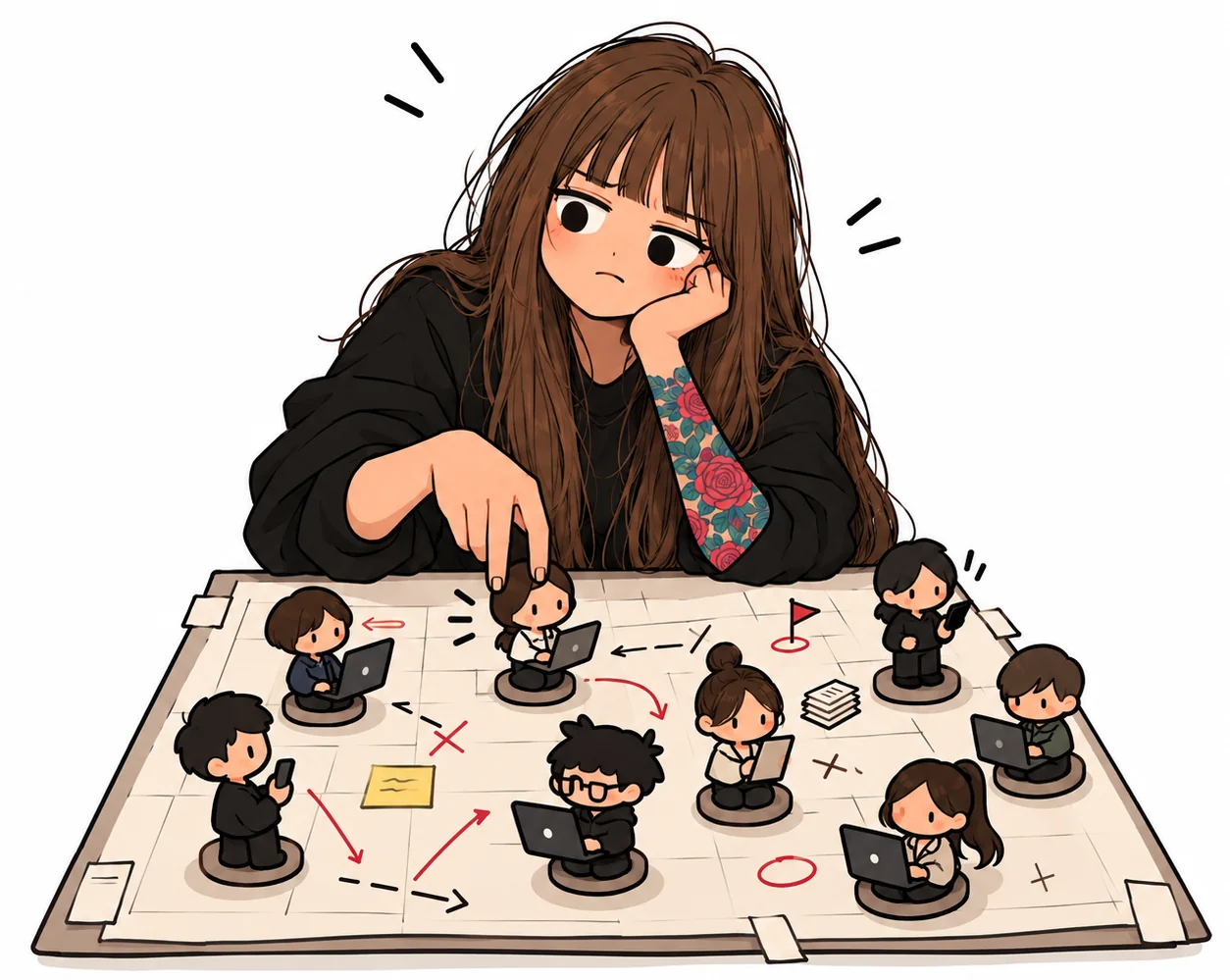
Managing managers has something of a strategy game about it. You look at the department and start moving the pieces in your head. Shift the workload here, tighten things up there, help this person with negotiations and rebuild that whole process. Some welcomed the changes. Others pushed back with good arguments or stuck to the familiar we’ve-always-done-it-this-way approach. Not always without justification, I should add.
I liked getting into the workings of it all. Updating the docs and agreeing on shared rules. Showing people how to use them and watching a system take shape. Managing people who professionally manage things themselves was especially interesting. Try explaining to a manager why their established way of working no longer quite fits.
It turns out writing a procedure is much easier than getting anyone to use it. Especially when everyone was perfectly happy with the old one, even though nobody remembered where it lived.
More authority, higher stakes
The most interesting part of a leadership role is the ability to seriously influence the company. The decisions get bigger and the consequences harder to miss. One mistake can affect more than a single badly written ticket. One manager getting a deadline wrong is a project problem. A whole department repeatedly getting it wrong, losing clients and revenue, raises questions about how the work is organised. Now figuring out why, and fixing it, is my job.
My key clients didn’t disappear, either. I continued running several projects while watching others from a department head’s perspective. It gave me two views of the same problems, one as a PM and one as their manager. You can make a brilliant plan and balance the workload. Get everyone to agree on the rules. Then people get involved with their own experience and opinions.
Eventually, you realise the head isn’t simply the department’s most senior doer. You also have to give people room to make decisions and deliver. Preferably without getting approval for every tiny bloody thing.
A look inside someone else’s business
Being a department head also let me see beyond my own team. Gradually, you join discussions that used to sit outside project work. Resourcing and budgets. Hiring and capacity. How to make the processes better. Things that looked strange from an individual PM’s position start making sense. Why you can’t simply hire another specialist. Why an obvious improvement keeps getting postponed. Why you sometimes choose the solution the company can actually afford rather than the most elegant one.
I liked seeing how the business worked and how company decisions affected the team. That’s also where I discovered that having a good idea and being able to implement it are different things. You might want it to be magnificent. You still have a budget and a team with other priorities. And a dozen other things that won’t fit into your lovely diagram.
Can I have my projects back?
I thoroughly enjoyed influencing a whole department, especially the processes and numbers we genuinely improved. Watching managers deal with change was a whole show in itself. But gradually I missed project work itself. I wanted to get back into products and requirements. Talk to clients again. Do the things I’d joined the profession for.
So I went back to being a PM. It doesn’t feel like a step backwards. Managing a department and managing projects turned out to be different jobs, and I prefer the second. Now I understand more of what happens on the other side. Why some processes take ages to change. How much a PM never gets to see.
So what was the point, then?
A leadership role doesn’t have to be the final destination of a career. You can manage people successfully and then deliberately return to your own specialism. The experience doesn’t disappear. And I remember my little nation of managers with affection.

I’m a project manager. About working with russian clients and teams, sharing experience and things I’ve noticed.