Sorry, we do actually have work to do
Meetings about meetings, chats that go nowhere and half the team on a call because someone couldn’t be bothered to type.
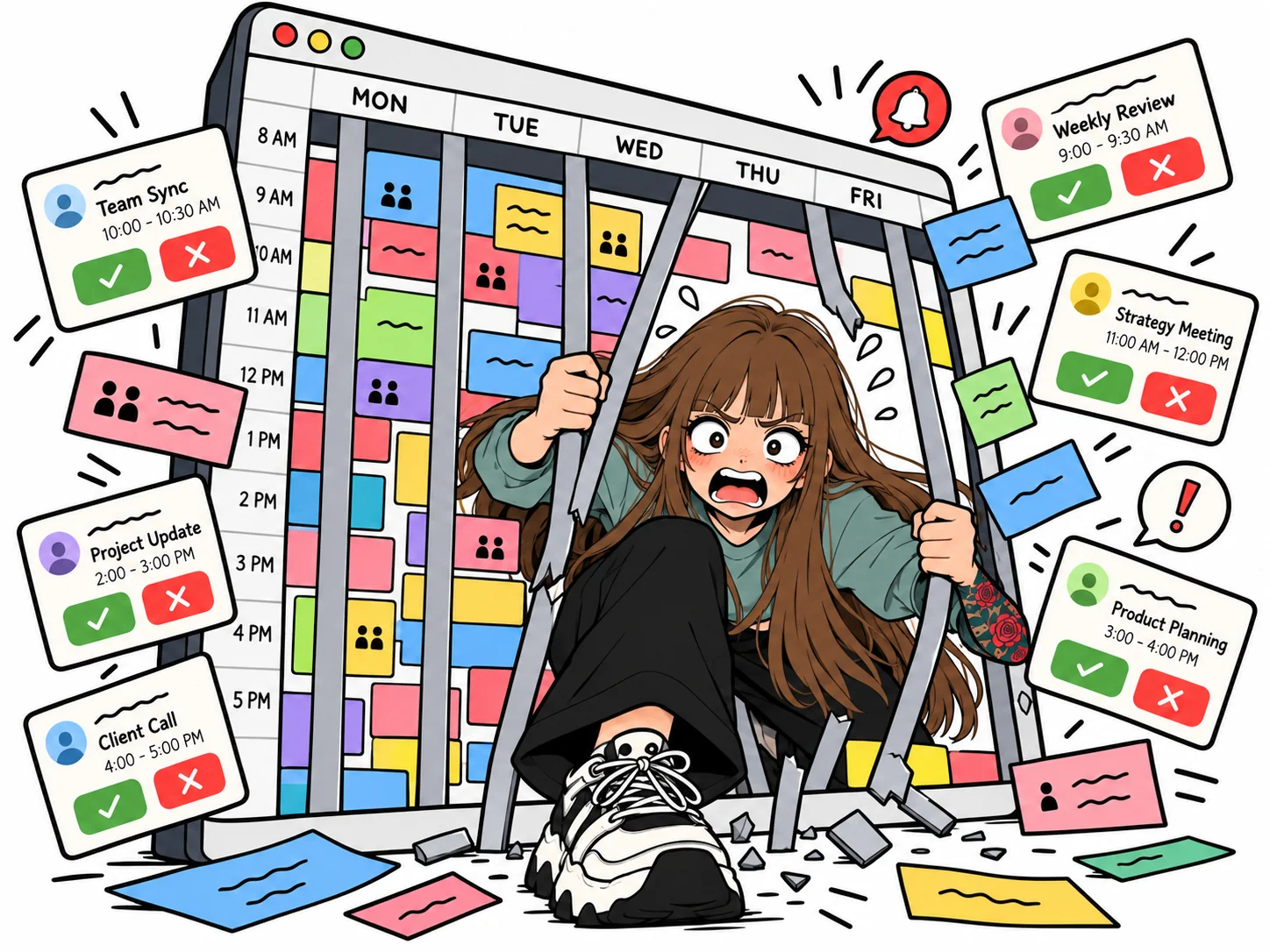
All this talking
A manager has ten calls a day. They feel incredibly productive and proactive, yet have almost no time for anything else. Meanwhile, their projects have no proper processes, tasks crawl along and plans go half-delivered. Tickets have no comments. Nobody writes up the client calls.
The manager is swamped and gradually becoming someone who actively harms their projects. But they’re not worried. The clients are happy and the calls are so interesting. What could possibly be wrong?
Nobody’s cancelling stand-ups, planning sessions, retros or other useful team routines. Those help teams stay in sync and catch problems. They keep the project on track. I mean the endless chats with no clear purpose or result, creating nothing but an illusion of furious activity. Where do they even come from?
The client finds written discussions difficult. Sometimes the manager is part of the problem. If the client can’t frame a request or use the work tools, perhaps we left them to figure everything out alone. Find out what’s difficult and help them with the communication format.
The client is performing productivity. Maybe they want to impress their boss, fill the afternoon with someone else’s time or feel important at a supplier’s expense. Not everyone who likes a chat is pretending to work, though. Sometimes a complicated issue really is easier to discuss out loud.
The client struggles with written information. Not the most convenient trait in our industry, but it’s manageable. Keep it simple. Break the text up and use lists or screenshots. Ask specific questions. If that’s not enough, talk it through and document the outcome.
The client is used to it. Why write a useful email when you can jump on a call, have a cup of tea and think aloud instead?
But don’t put all the blame on the client. Sometimes managers create the habit themselves. They pull in the team for every question, book meetings without agendas and suggest a quick chat when one message would do.
Calls eat time and money
Despite the familiar image of a manager permanently holding a phone, constant talking isn’t the same as productive work. Calls are draining and cost the business time and money. Five people in a one-hour meeting means five person-hours spent. That doesn’t include preparation or the time it takes everyone to get back into their tasks.
What if there are several of those meetings every day? The PM is busy. The team keeps getting interrupted. The calendar is full. The actual work hasn’t gone anywhere. Before sending another invite, ask whether a meeting is really necessary. A ticket comment, email, or short chat message might be enough.
Calls without a written follow-up are useless
Anything said on a call but never written down might as well not exist. Try recalling, word for word, a client conversation from two months ago. You can’t. What remains is whatever you recorded afterwards.
And if the previous PM took the call, how are you supposed to retrieve those undocumented details from their memory without the help of a medium?
Calls themselves aren’t useless. Half an hour can resolve something that would take days in writing. But if a meeting leaves no decisions, tasks, or owners, its results quickly disappear. Write down what you agreed, who’s doing what and what’s still open.
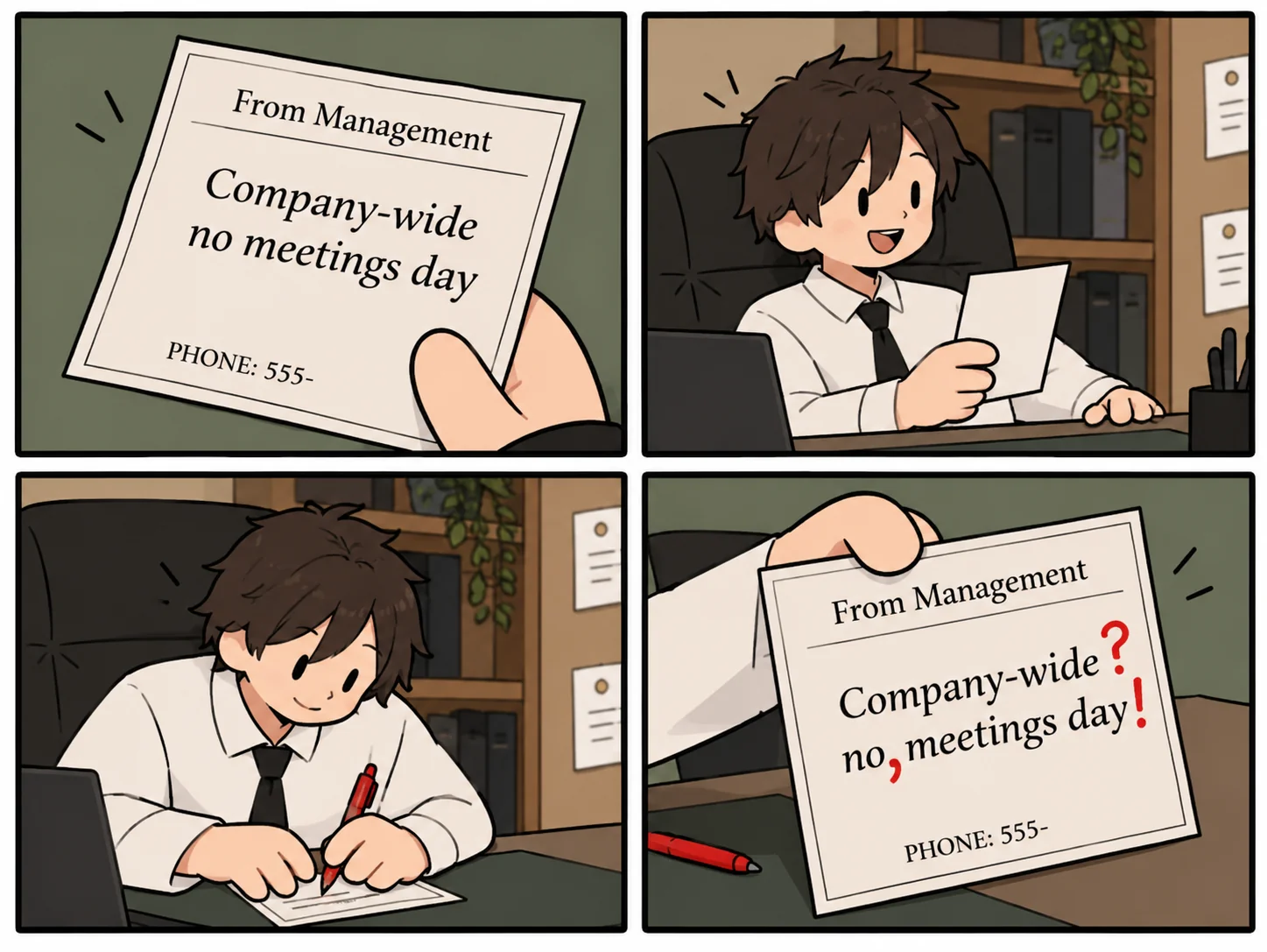
Email, the task tracker, and work chat exist
Sometimes a manager spends a call reading out information from the task tracker. People then ask questions already answered in emails or ticket comments. You can return to written correspondence whenever you need it. Replaying an hour-long recording for one sentence is rather less appealing.
Need to report task progress? Update the status. Need clarification? Ask in the comments. Use async updates where they’re enough. Save calls for things that need a real discussion.
The team isn’t interested in your calls
Often, the team is just waiting for the call to end while doing the very work that the call keeps interrupting. Especially when the discussion has nothing to do with their roles.
Your marketers and analysts aren’t background extras. Neither are your developers. If you need expert input, prepare questions and invite the specific person. Otherwise, handle it within your authority or gather the information in writing. Useful team routines are different. Stand-ups and planning sessions work when it’s clear why they’re happening, who needs to attend and what they should achieve. Five developers sitting through an hour of conversation for one client clarification is another matter.
How to wean a client off endless calls
Keep writing. Not every work question needs its own call. If something can be discussed in writing, suggest doing that. But don’t refuse a conversation on principle once the written discussion has hit a dead end.
Always record the outcome. Follow important conversations with an email or ticket comment. It stops everyone discussing the same agreement for a second time.
Write more simply. A client saying they struggle with text isn’t a reason to switch everything to voice. Cut the waffle. Use paragraphs and lists, then read it again and trim. Don’t send three screens of prose when five sentences will do.
Make it clear theirs isn’t your only project. There’s no need to be embarrassed, especially at a digital agency. You can decline a last-minute call about something non-urgent. Offer a slot later that day or in a day or two. Even if the manager isn’t busy right this second. You don’t have to teach the client that you’re available on demand.
What if the team is the one inviting you?
Now it gets interesting. Sometimes the person behind a pointless meeting isn’t the client but a colleague who can’t be bothered to put a clear question in writing. Before accepting, find out what needs discussing and what result they expect. One message might resolve it. Try asking what needs discussing and suggest collecting the questions in the ticket first. A meeting might not be needed.
If a discussion is necessary, ask for the materials and questions in advance. You don’t have to drop everything because someone else has found a free minute.
Or suggest starting in the ticket comments and meeting only if something is still unclear. That’s organising work, not hiding from everyone. Don’t make avoiding meetings a goal in itself. Meet if it’ll unblock the team or help you make a quick decision together. Same if the thread is already taking longer than a short call would.
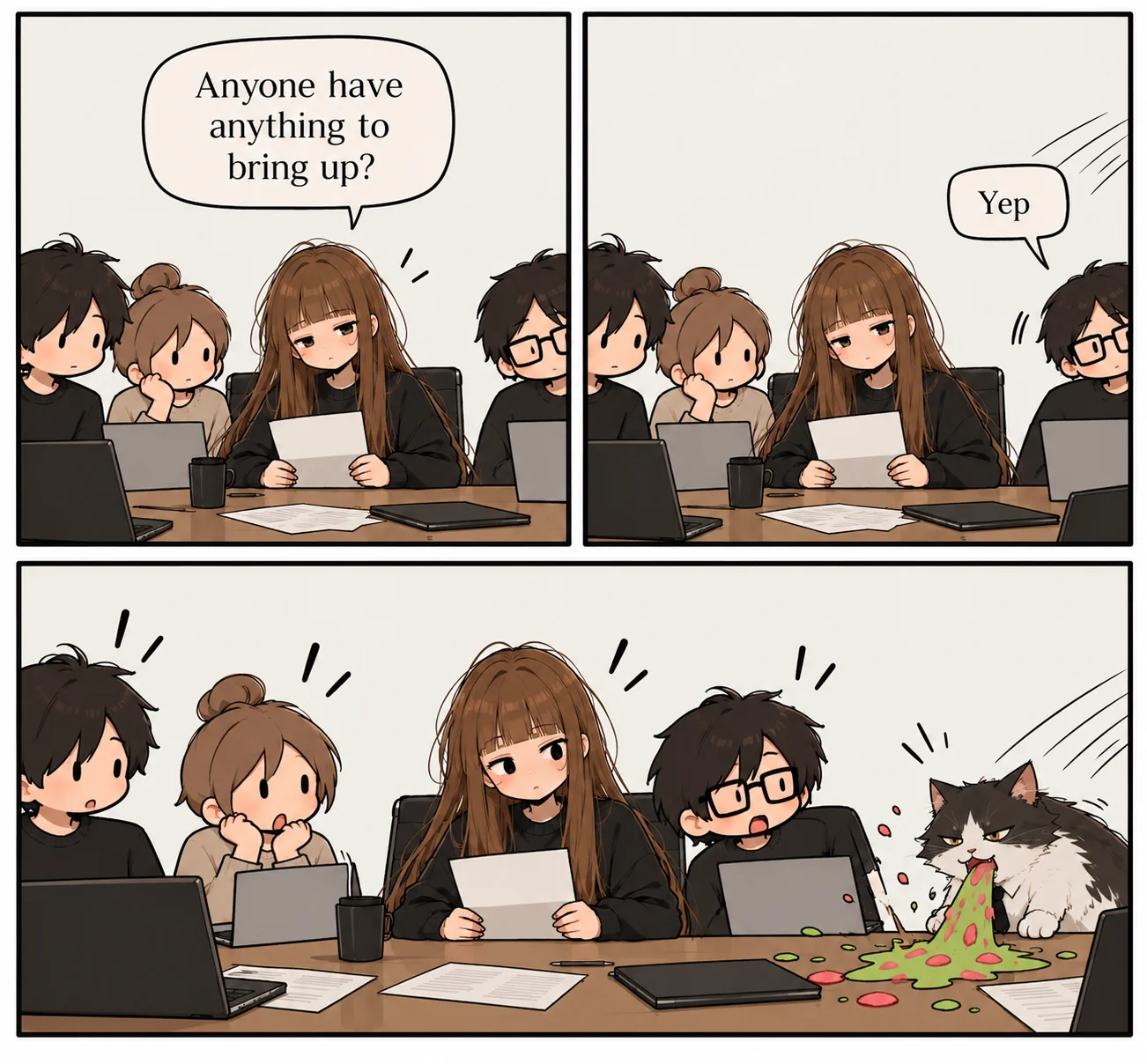
How to make calls shorter, less frequent, and more useful
- Set the duration in advance. We usually know when a meeting starts. Surprisingly few people ask when it ends. Book a timebox, such as 12:00–12:30. Calendar slots are quite good at this.
- Don’t stretch the discussion. If the client likes showing how clever they are or thinking aloud, let them. Within reason. Bring the conversation back on track and recap where you are. Don’t be afraid to mention the timebox. If a topic doesn’t need a weekly discussion, meet less often.
- Don’t drag the team onto every call. Marketers and technical specialists belong in meetings that require their direct involvement. For everything else, there’s a manager and sensible planning. But when you do need an expert, don’t impersonate a specialist in everything. One useful conversation beats three rounds of second-hand explanation.
- Prepare. Obvious, but it works. Knowing the shape of the upcoming chatter helps you reach an outcome and shorten the conversation without arranging a sequel. Write an agenda and prep your questions. Then stick to the plan.
- Get the materials and links ready. Few things are more irritating than a PM saying “Just a moment” while frantically looking for a file or ticket during the call. I hardly need to explain what that does to the meeting length.
- Keep a record. Important details are easy to forget, so note key decisions as you go. If you need an audio or video recording, agree it with the participants beforehand and respect confidentiality requirements. A recording still doesn’t replace a proper written summary.
- Don’t be afraid to finish early. If every question is answered and the next steps are clear, briefly recap and end the call. You don’t have to sit out the last twenty minutes just because the calendar reserved them.
The takeaway
Calls aren’t the enemy. Pointless calls are.
A good manager isn’t someone with a calendar full of meetings. It’s someone who knows why each meeting is there. If you can settle it in writing, do that. When a call is needed, prep it properly. Invite the right people and write up the outcome.
And remember: somewhere between all these discussions, we do actually have projects to run.

I’m a project manager. About working with russian clients and teams, sharing experience and things I’ve noticed.