The client wants something. What exactly?
How to turn a vague request into a clear task, ask better questions and stop filling in the gaps for the client.

Clients rarely turn up with a clear task. They usually have a problem, a wish list and a firm belief that they’ve already explained everything.
Our job as PMs is to ask questions, check our assumptions and help them work out what they actually need.
If the client wanders off-topic, bring the conversation back. Otherwise you’ll spend the whole call talking about everything except the task.
How?
Have a conversation, not an interrogation
Ask open questions rather than ones that only need a yes or no. Instead of asking whether the client wants an account area, ask what users should be able to do after logging in. One question suggests a solution. The other helps you understand the problem. Give the client time to answer. A short pause often tells you more than another question.
Didn’t understand? Ask again
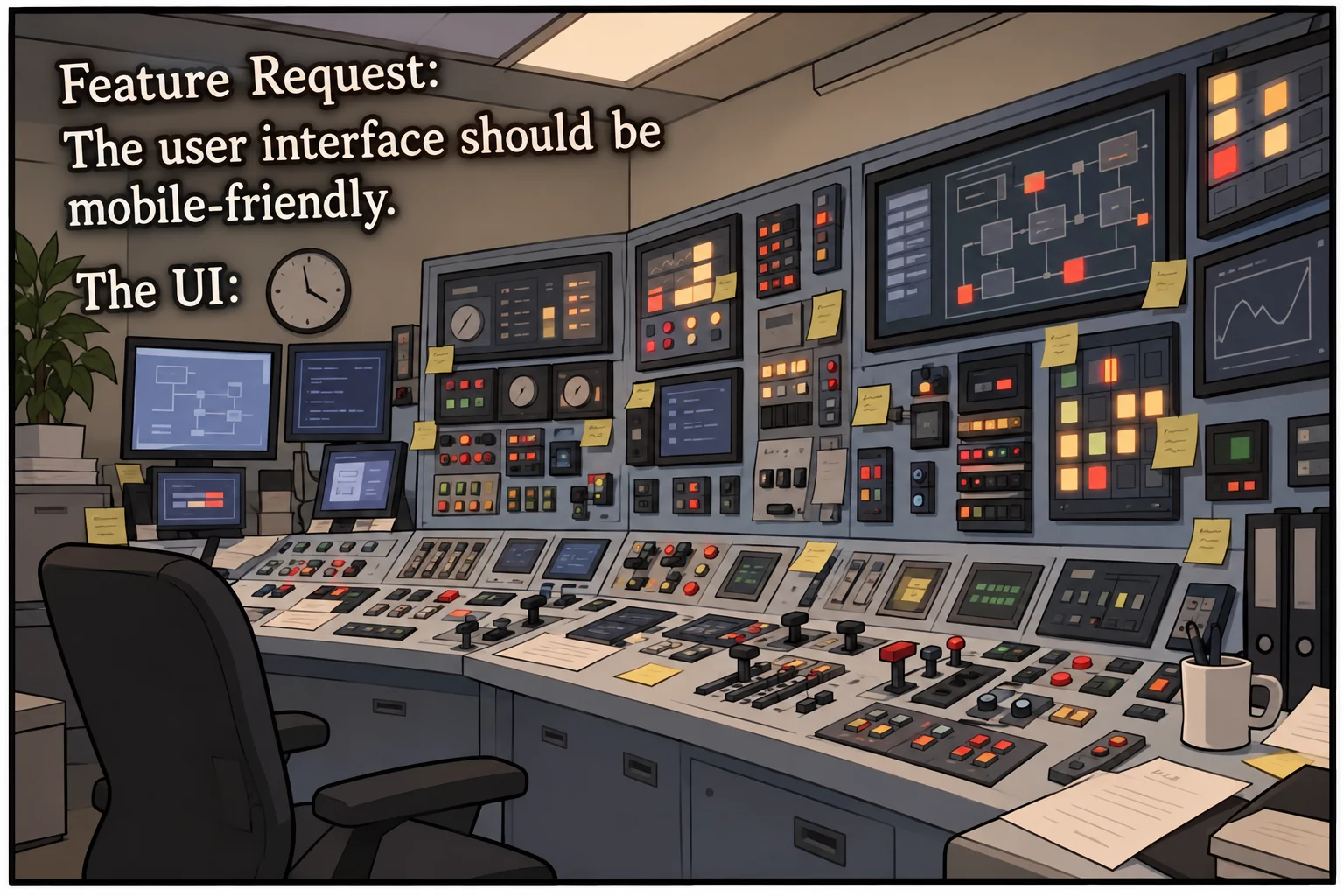
The client says they want everything to be easy to use. Lovely. Easy for whom? Ask what that means in practice. An extra minute now beats two weeks of rework later.
Repeat back what you think the task is
The client has spent half an hour talking about an account area, automation and a lovely interface. Try checking what’s underneath all that.
“Is the main problem that your managers spend hours putting reports together by hand? And an account area is one way you’re thinking of fixing it?”
They’ll either confirm it or correct you. Both help. Confidently building the wrong thing doesn’t.
Understand the need first. Work out the solution with the team
Say we’ve worked out what the client wants. We now have something resembling a clear task rather than a wish list. But it’s still too early to charge in with a solution. Check that you’ve understood them. Clarify the priorities and constraints. Find out what they expect. Write down the agreement before everyone walks away with a different version of it.
Then take it to the team. Work through the options and check what’s feasible. Look at the risks and constraints. The client’s original request may not be the best way to solve their problem. Now we can go back with options the team has actually checked. Our job is to make sure the client and the team are solving the same problem.
Where this can go wrong
- Not every smooth conversation is suspicious. Keep the joke if you like, but document agreements even when nothing feels off.
- Your contact person doesn’t necessarily have the final say. It’s too early to assume they’re on your side and that their approval is in the bag. They have a boss, too.
- Several client contacts? Watch them on calls and in one-to-ones. Who makes the decisions? Who pushes back? Who stays quiet?
- Don’t interrupt just because you think you’ve got it. Ask another question and gently steer the conversation toward a conclusion.
- Silently going “mm-hmm” isn’t an alternative. It’s surprisingly easy to lose the thread and later wonder why nothing was agreed.
- Trying to uncover needs and sell a service at the same time is a questionable plan. The client is still explaining the problem, and we’re already pushing a solution.
- Don’t turn the conversation into an endless series of yes-or-no questions. Everyone gets tired, and the real needs stay undiscovered.
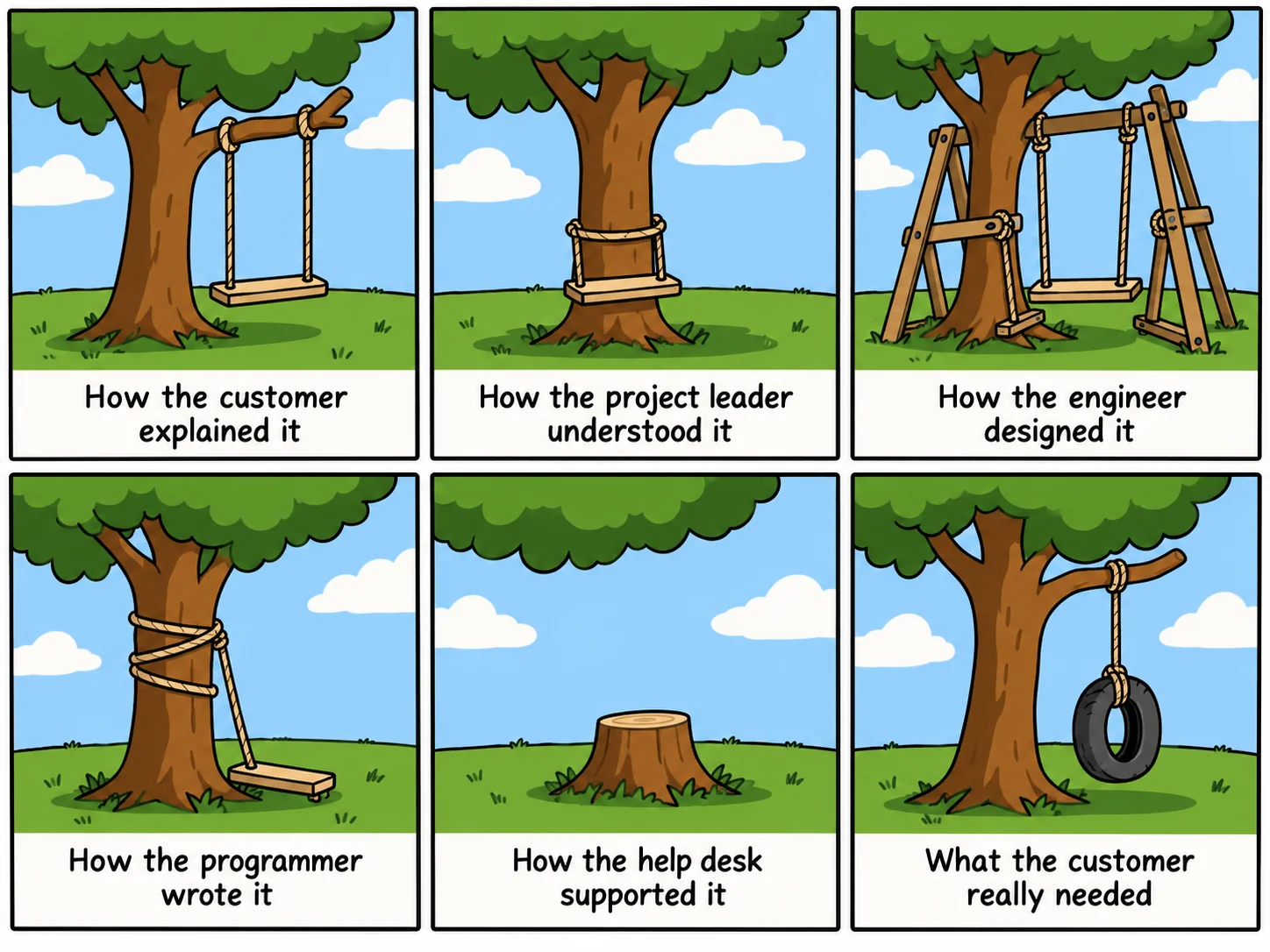
But what about…
Calls that go on forever
Keep practising. You’ll get better at telling useful questions from ones that just drag the call out. Sometimes a couple of minutes is enough to understand what a client needs.
An unhappy client
First, find out exactly what they’re unhappy about. Understand the cause and look for a way forward with the team. Trying to soothe someone with promises you’ll later have to deliver on was a classic mistake at agencies I used to work for. Please don’t.
A wary client
Make your questions clear. Explain why you’re asking them. Prepare your questions beforehand if you’re nervous or still getting to grips with the subject. This isn’t the moment to improvise.
A client who won’t answer questions at all
Don’t keep pushing at a closed door. Today may simply be the wrong day. Suggest another time or offer to discuss the questions in writing.

I’m a project manager. About working with russian clients and teams, sharing experience and things I’ve noticed.